

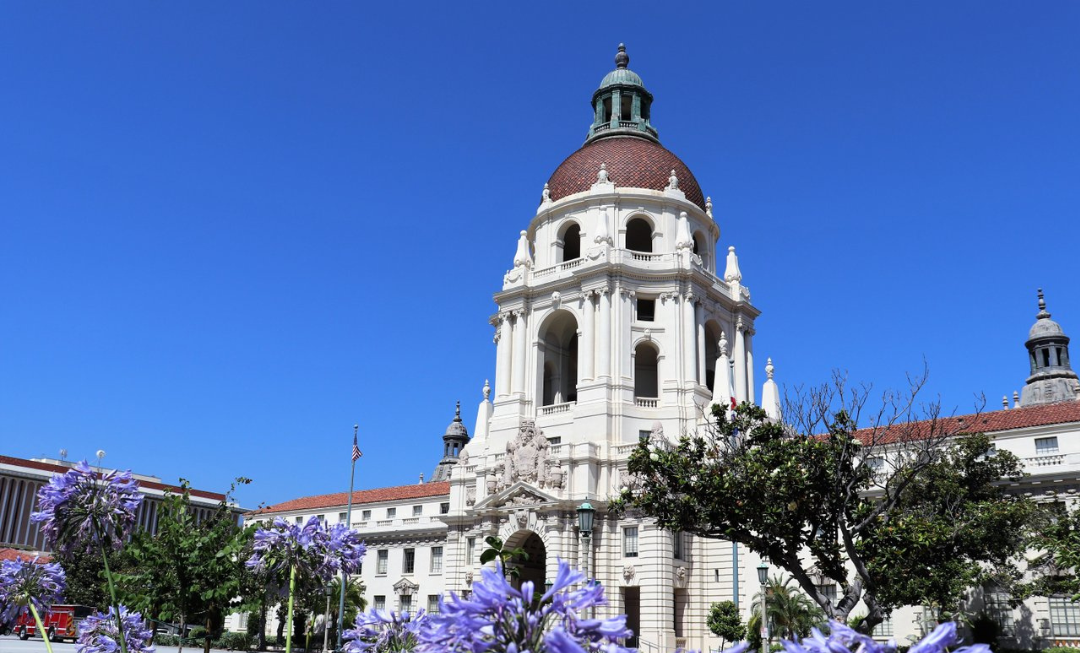
Pre-Symposium Field Sites: San Gabriel Valley Gardens
(Additional registration required; lunch and transportation are provided)
The 2026 pre-symposium trip showcases two beautiful and distinct gardens in the Pasadena vicinity:
Los Angeles County Arboretum & Botanic Garden
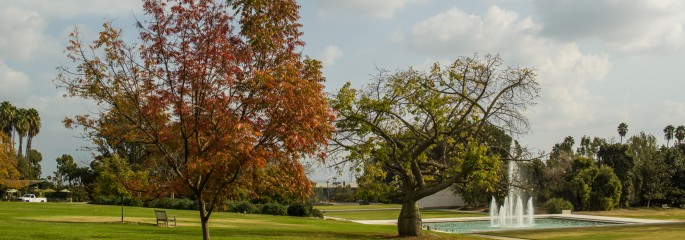 The Los Angeles County Arboretum and Botanic Garden is a unique 127-acre botanical garden and historical site located in the heart of the historic Rancho Santa Anita in the city of Arcadia. The Arboretum cultivates natural, horticultural, and historic resources for learning, enjoyment, and inspiration. Features include aquatic gardens, a waterwise garden, herbs, perennials, roses, and landscapes of native California plants. Attendees will have the opportunity to observe the Garden Adventures summer camp and to participate in sample programs of the Arboretum’s school experiences, led by Arboretum education staff.
Following lunch at the Arboretum, the group will proceed to
Descanso Gardens
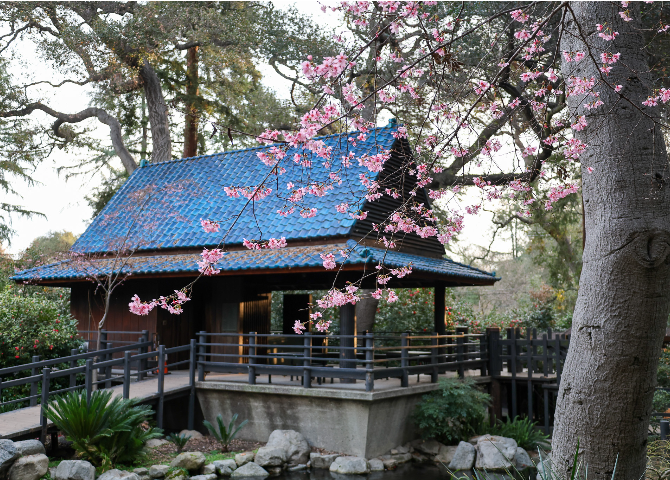 Descanso Gardens is a botanical garden, living museum, and urban oasis 20 minutes from downtown Los Angeles, sitting on 150 acres of cultivated and wild land nestled into a natural bowl by surrounding mountains. The Gardens’ director of horticulture and education staff will lead the group through many paths and trails, verdant woodlands, lush gardens, and colorful native flowers. Features include roses, coast live oaks, waterwise plants, native California plants, camellias, lilacs, and a Japanese garden. While taking the specialized garden tour, attendees will learn about the Gardens’ youth programs and the plans for the new children’s garden.
Symposium Field Trip
(Included in three-day symposium registration. Transportation and lunch are provided.)
Consistently named as one of the world’s top gardens, this year’s field trip will explore The Huntington Library, Art Museum, and Botanical Gardens in neighboring San Marino. With 130 acres, The Huntington is best known for its Rose Garden, Desert Garden, and Chinese and Japanese Gardens; however, the spectacular botanical collections also include an Australian garden, California garden, and Jungle garden, as well as herbs, palms, lilies, camellias, and subtropical plants.
All attendees will tour three youth-focused areas at The Huntington, followed by lunch and exploration time. Huntington docents and the director emeritus of the gardens will lead these tours. These three areas are:
Potager, The Kitchen Garden
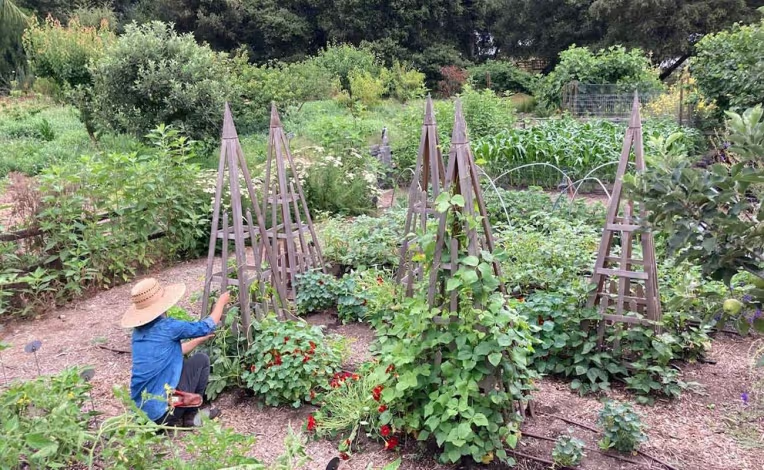 This tour of The Huntington’s newest garden will demonstrate plantings and activities perfect for school and community gardens. Created for hands-on youth engagement and education, the Potager (a garden where one traditionally grows vegetables for soup) helps children explore their food sources, soil health, nutrition, and sustainable small scale food production.
The Potager Garden seeks to replicate the bountiful kitchen garden the Huntington estate once relied on and get back to the property’s agricultural roots. Dubbed the San Marino Ranch when Henry E. Huntington purchased the working farmstead in 1903, Huntington planted orange groves and was among the first in the state to farm avocados. He maintained a kitchen garden as well. The Potager Garden is the part of the 15-acre James P. Folsom Experimental Ranch Garden – part classroom, part research lab, and part community resource for an equitable food system. The Ranch includes some of Huntington’s original orange groves, a heritage avocado orchard, and a food forest.
The Helen and Peter Bing Children’s Garden
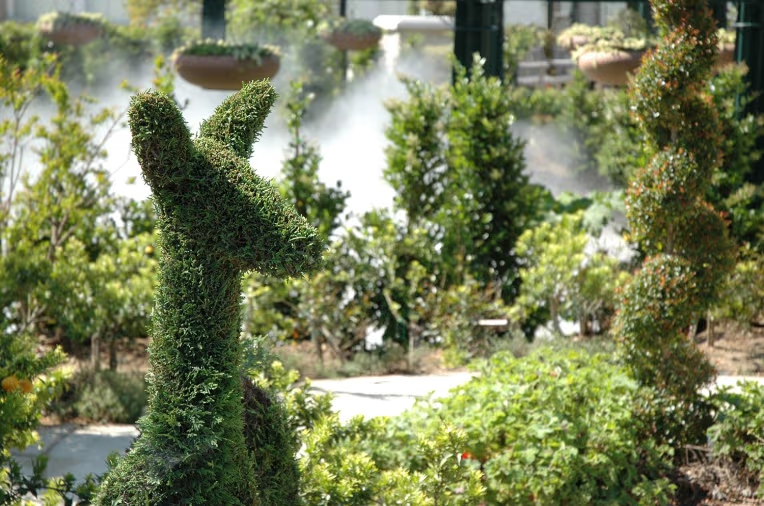 This children’s garden tour will inspire all our attendees, especially staff who work in public gardens. The Helen and Peter Bing Children’s Garden invites kids of all ages to splash in water, play among topiary animals, make music with pebbles, dance under rainbows, discover fairy doors, and hold the magic of magnetic forces in their hands. This whimsical garden is the perfect space for youngsters to explore the green world and develop a lifelong appreciation for nature. Huntington education staff will also show their themed activity stations where kids can get creative on a variety of craft projects.
The Rose Hills Foundation Conservatory for Botanical Science
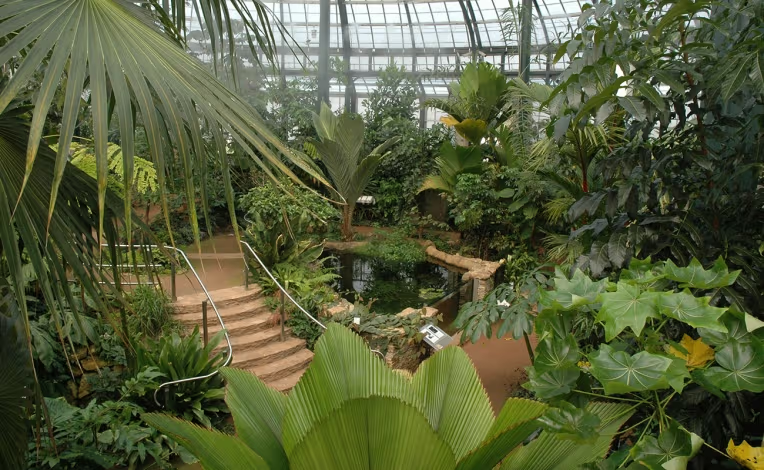 These exhibits will spark ideas for attendees who teach in classrooms and labs. The Rose Hills Foundation Conservatory for Botanical Science houses interactive exhibits designed to engage children and families in a wonder-filled scientific exploration of plants. Living plants fill a 16,000 square-foot greenhouse that comprises three different habitats (a lowland tropical rain forest, a cloud forest, and a carnivorous plant bog) and a plant lab devoted to experiment stations focusing on the parts of plants. The Plant Lab offers an entertaining, hands-on introduction to botany, including a plant petting zoo. Exhibits are organized into six different groups: roots, stems, leaves, flowers, seeds, and spores. Visitors can design a leaf quilt using a variety of leaves and learn how to use scientific instruments including a refractometer, which measures the percentage of sugar in different nectars.