Great American Gardeners Awards

HONORING AMERICA’S TOP HORTICULTURAL CHAMPIONS

Established in 1953, the Great American Gardeners Awards honor outstanding contributions to horticulture in areas such as plant research, garden stewardship, outreach, and education. They are among the most prestigious horticultural awards in the U.S.

EXPLORE THE AWARD CATEGORIES

EXPLORE THE AWARD’S HISTORY AND PREVIOUS WINNERS

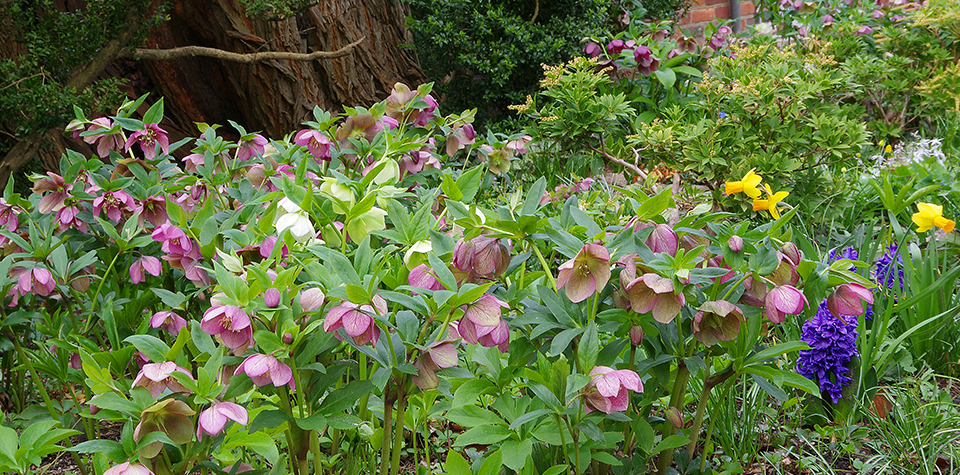
River Farm's 27 acres in Alexandria, Virginia, are a haven of natural beauty, featuring stunning gardens, woodlands, and scenic trails that offer breathtaking views of the Potomac River.

2026 Awards Committee

Committee Chair: Holly Shimizu, AHS board member, and former director of the US Botanic Garden (MD)
Diane Blazek, executive director, All-America Selections/National Garden Bureau (IL)
Lee Coykendall, educational consultant, former senior education specialist at the US Botanic Garden (Washington, D.C.)
Kate Delaney, director of career development, Society of American Florists (PA)
Andrea DeLong-Amaya, director of horticulture, Lady Bird Johnson Wildflower Center (TX)
Panayoti Kelaidis, senior curator and director of outreach at Denver Botanic Gardens (CO)
Dr. David Kopsell, professor of horticulture, Illinois State University (IL)
Kelly D. Norris, author, plantsman, and landscape designer (IA)
Nan Sterman, garden designer, botanist, author, and garden communicator (CA)
Toshi Yano, director of horticulture, Bryant Park (NY)

Meet the 2026 Award Winners

Liberty Hyde Bailey Award

Presented to an individual whose lifetime achievements have profoundly advanced American horticulture across multiple fields such as teaching, research, communications, plant exploration, administration, art, business, and leadership. Named after Liberty Hyde Bailey (1858-1954), horticulturist, educator, author.

Dr. John Dole is a Professor in the Horticultural Science Department at North Carolina State University, where he has shared his passion for floriculture since 2000. From authoring floriculture’s definitive resource, to developing cut flower strategies that revolutionized nursery production, to founding organizations that grow the next generation of floriculture professionals, his lifetime achievements have profoundly impacted American horticulture.

Dr. Dole’s path to plant science began as a child in the horticulturally rich area of West Michigan, where he helped neighbors plant and tend Gladiolus for a cut flower farmstand. His fascination with cut flowers, dried flowers, and seed catalogs grew into a BS in horticulture at Michigan State University, a PhD in horticulture at University of Minnesota, a first faculty position at Oklahoma State University, and a four-decade career centering the joy that flowers bring to our lives.

Plant Research
Dr. Dole’s research focuses on the production and postharvest physiology of floriculture crops, particularly working with cut flowers. His research throughout the Americas has developed strategies to extend flower shelf life, positively impacting flower producers, wholesale and retail florists, and consumers. Additionally, his research with potted poinsettia, including the physiology of branching and cultivar evaluation, has benefitted breeding companies as well as commercial greenhouse growers.

Dr. Dole worked to establish the Floriculture Research Alliance, a university-industry partnership partly supported by the USDA Floriculture and Nursery Research Initiative, and to disseminate research findings to businesses of all sizes, from small nursery operations to the largest greenhouses in the world. He has authored or co-authored over 110 peer-reviewed papers, more than 300 trade and popular press articles and eight books, including Postharvest Handling of Cut Flowers and Greens, Cut Flowers and Foliages, and Floriculture: Principles and Species, the definitive resource for the floriculture field.

Teaching and Communications
At North Carolina State University, Dr. Dole has taught courses in Physiology of Flowering, Postharvest Physiology, Commercial Floriculture Production, and Greenhouse Management while also advising graduate students and preparing them for employment in industry, public garden, governmental, and academic positions. Additionally, he has developed industry relationships between the United States and Colombia (the largest international cut flower exporter) to facilitate internship and training opportunities for students from both countries. Dr. Dole shares, “The students I have taught and mentored are my biggest legacy. They are having a huge impact and I am very proud of all they accomplish.”

Dr. Dole is also a frequent national and international speaker; he has given over 200 invited presentations, as well as over 200 contributed presentations. In addition, he has presented more than 100 talks focusing on butterflies, birds, home fruit production, and general gardening.

Leadership and Administration
Dr. Dole is a leader in horticulture academics, previously serving as North Carolina State University’s Director of the Horticultural Science Graduate Programs, Head of the Horticultural Science Department, Associate Dean for Academic Programs, and interim Dean of the College of Agriculture and Life Science, where he increased and diversified enrollment. In 2024, he became the Director of the Food System Leadership Institute.

Outside academia, Dr. Dole is Executive Advisor for the Association of Specialty Cut Flower Growers (ASCFG), which has generated new flower farmers and reignited the cut flower industry in the United States, and co-coordinates the ASCFG Cut Flower Trials. He served as President of the American Society for Horticultural Science. He is also one of the founders of the FFAR Fellows, which has provided 200 PhD fellows with $17 million in professional development, and of Seed Your Future, whose mission is to inspire people to pursue careers working with plants. Thanks in part to his work with Seed Your Future, enrollment in horticultural programs has grown steadily for the past eight years.

Plant professionals from numerous universities, nonprofits, and plant production companies throughout the country whole-heartedly supported Dr. Dole’s nomination. Dr. James Faust, a longtime academic colleague at Clemson University, shared, “John is unique in that he does so many things so well. And he does them all with great passion and professionalism, while never making himself the center of attention. It is all just part of who he is. Talented, productive, personable and humble. He makes all of us around him better professionals and better people. John is an ambassador for horticulture…a class act.”


Rising Star Award

Spotlights an emerging horticultural professional whose energy, leadership, and creativity are already reshaping how North America gardens.

Michael Guidi is the Manager of Horticulture Research Programs at Denver Botanic Gardens, where he integrates scientific research, ecological theory, and practical horticulture to promote resilient plant choices and landscape strategies. As an accomplished curator of living plant collections, he designs, plans, and maintains several gardens at Denver Botanic Gardens while also running the tissue culture laboratory, managing the trial grounds, and leading research projects on topics such as optimal soil mixes for native plants.

Guidi’s work spans a wide range of topics, including plant breeding, plant tissue culture, direct-seeded vegetation, and green infrastructure. An advocate for dynamic, self-sustaining gardens, he demonstrates how thoughtful planting design can enhance biodiversity, bolster ecological resilience, and improve human well-being. He draws inspiration from liminal urban spaces and wild ecosystems, advocating for the use of ruderal and adventive plants as vital components of green infrastructure. Guidi’s work challenges conventional aesthetics and promotes a broader, more inclusive definition of gardening—one that recognizes gardeners as keystone species in the stewardship of our environment.

In 2024, Guidi coauthored Shrouded in Light: Naturalistic Plantings Inspired by Wild Shrublands, a book that explores the biology, philosophical foundations, and landscape potential of shrubland habitats worldwide. He holds a bachelor’s degree in Biology and a master’s degree in Ecology from Colorado State University. His award-winning graduate thesis investigated flowering phenology and pollinator value on urban green roofs.

Jane L. Taylor Award

Honors those who cultivate future generations. Given to an individual, organization, or program making a lasting impact through children’s and youth gardening initiatives. Named for Jane L. Taylor, youth advocate, horticulturist, educator.

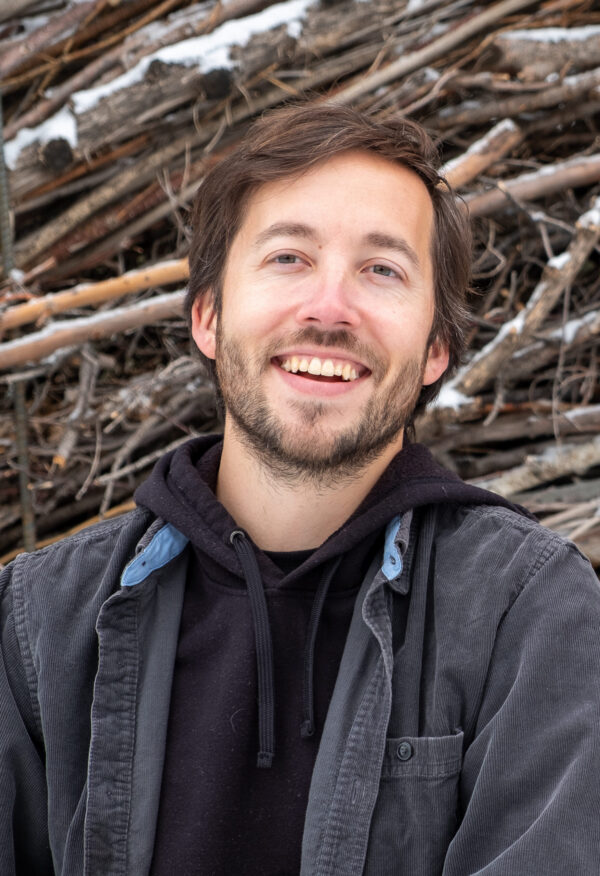
Sam Ullery is the School Garden Specialist at the DC Office of the State Superintendent of Education. With a decade of classroom teaching experience as his foundation, Ullery has dedicated the past thirteen years to supporting garden programs at over 100 Washington, D.C. school gardens by offering technical support, conducting trainings, and providing resources and connections with local organizations.

Ullery organizes and leads key projects such as DC School Garden Week, which arranges for Department of Energy & Environment staff to visit and engage with 133 schools, and Shared Roots, which encourages District residents to grow food in school gardens during summer. He create the engagement tracking tool, Thriving District School Gardens Storymap, which provides an overview of school garden successes, including creative and impactful ways that schools are engaging students in garden-based learning.

Teacher training is another outstanding part of Ullery’s work in education. He organizes and leads the Summer Institute for Garden-Based Teaching, a multi-day intensive training for K-5 District teachers addressing outdoor group management techniques, interdisciplinary garden-based lessons connecting to Next Generation Science Standards (NGSS) and Common Core State Standards, project sustainability considerations, garden design and maintenance, and benefits of garden-based learning and teaching. He also arranges semi-monthly Outdoor Learning Gatherings are for educators seeking resources and inspiration to engage students in activities that benefit from being outdoors and nature. Sam Ullery holds a M.Ed. from Teachers College, Columbia University and a B.S. from the University of Wisconsin-Madison.

Jane L. Taylor Award

Honors those who cultivate future generations. Given to an individual, organization, or program making a lasting impact through children’s and youth gardening initiatives. Named for Jane L. Taylor, youth advocate, horticulturist, educator.

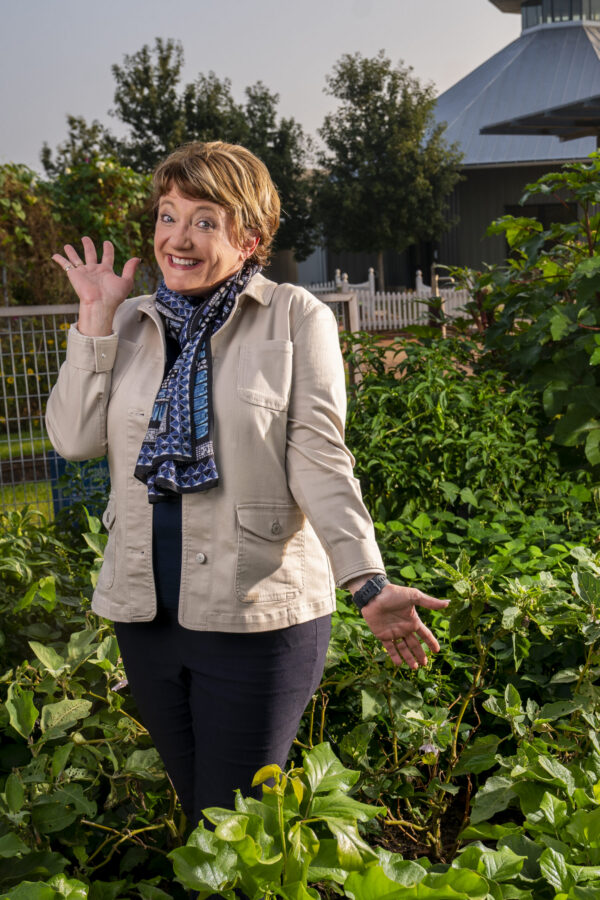
Lisa Whittlesey is the Senior Extension Program Specialist at Texas A&M University, where she lectures for agriculture, floral design, and socio-horticulture classes and creates educational horticulture segments for the local television show, Weekend Gardener. Whittlesey is also Director of the International Junior Master Gardener (JMG) Program, which operates in all 50 states and which she has expanded through collaborative partnerships with the Borlaug Institute for International Agriculture, JMG Korea, and US Military and National Guard projects.

During her education career spanning over three decades, Whittlesey has authored and implemented twelve award-winning youth environmental curricula. An outstanding example is the JMG’s “Learn, Grow, Eat & GO,” a research project and intervention funded by the USDA to prevent child and family obesity. To share US learning models internationally, Whittlesey has served as lead for several grant projects in Mexico, Guatemala, South Korea, Timor-Leste, and Kyrgyzstan. Most recently, she modified JMG curricula to design a school-based gardening program in Kyrgyzstan that provided teacher training and empowered children to create and harvest vegetable gardens for the school lunch programs. This Food for Education and Child Nutrition initiative was both education and diplomacy, crafted for Kyrgyzstan schools, communities, growing conditions, and culture. As a result, the JMG program was approved by the Kyrgyzstan Ministry of Education for implementation throughout the entire country.

In addition to her teaching and curriculum design, Whittlesey educates through her speaking engagements and authorship. She has been an invited speaker at over 320 conferences and on HGTV. Her horticulture expertise has been featured in over 280 popular publications, including Saturday Evening Post, Southern Living, Better Homes and Gardens, and Texas Gardener. Whittlesey received her bachelor’s and master’s degree from Texas A&M University in horticulture with an emphasis in education/curriculum development.

Garden Sustainability Award

Celebrates a public garden that is setting the bar for sustainable design, maintenance, and programs – proving that beauty, education, and environmental responsibility can grow together.

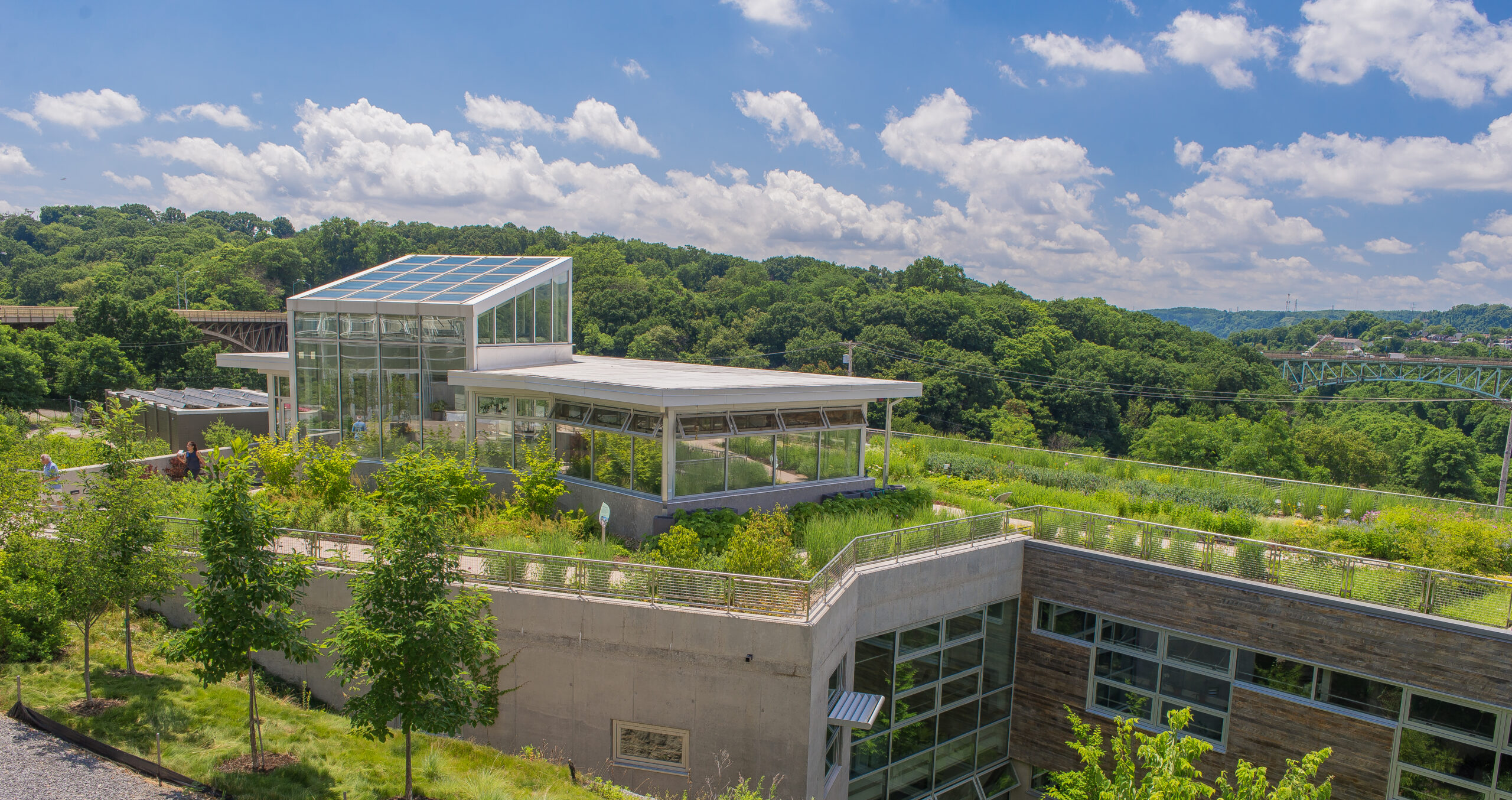
Phipps Conservatory and Botanical Gardens excels in advanced green-building practices, sustainable gardening, and environmental horticulture. From constructing one of the world’s greenest buildings to practicing Integrated Pest Management, Phipps educates visitors that sustainable action is the key to addressing ecological challenges such as loss of habitat and biodiversity, environmental injustice, and climate change

Phipps collaboratively developed the Climate Toolkit, a free opportunity for gardens and museums to learn how to address climate change within their own organizations and inspire the communities they serve to follow their lead. The Climate Toolkit’s goals align with the United Nations Sustainable Development Goals and the Project Drawdown Table of Solutions, including topics in landscape and horticulture. Public institutions are encouraged to document their progress by identifying which goals they have completed and which goals they plan to complete in the future. Those who have already completed goals may take a leadership role in helping others by detailing their efforts in resource documents, interviews, and presentations. To date, the Toolkit network counts over 247 members in 30 countries who serve more than 120 million visitors annually.

To equip learners with the tools they need to garden and live more sustainably, Phipps offers more than 100 adult education courses each year, including certificate programs offered in sustainable horticulture, landscape and garden design, native plant landscapes and permaculture. These programs are particularly focused on training professionals and members of the public to utilize organic lawn care methods and championing chemical-free lawns.

Phipps provides free resources to the public to help them make the most ecologically-sound gardening decisions at home, including our Eco-Friendly Pest Management Guide, Sustainable Landcare Principles, lists of reputable seed providers and nurseries, a Greener Gardening Blog, and the Annual Top Ten Sustainable Plants List, a searchable database of nearly 200 plants selected for their non-invasive habits, as well as for their resistance to disease and insects and minimal watering and fertilizer requirements.

Scientific Award

Acknowledges breakthroughs that matter. Recognizes exceptional scientific research that enriches the understanding and practice of horticulture in meaningful ways. In honor of H. Marc Cathey, researcher, horticulturist, and administrator.

As director of the Global Tree Conservation Program at The Morton Arboretum, Dr. Silvia Alvarez-Clare safeguards threatened tree species through science-based conservation work with stakeholders around the world. Her research uses long-term monitoring, experimentation, and ecological techniques to understand how changes in climate, land use, and soil nutrients impact plant communities, particularly trees. She translates her research into better policies, improved management practices, and restoration actions that aid in saving tree species from extinction.

Dr. Alvarez-Clare spearheaded the creation of the Center for Species Survival: Trees, which was established at The Morton Arboretum through a strategic partnership with the International Union for Conservation of Nature’s Species Survival Commission to serve as a catalyst for tree conservation and accelerate the actions needed to reverse species loss. Her scientific research with the Morton Arboretum provides models for tree health and ecosystem health throughout the world, including shaping plant collections and horticultural approaches and environments.

She has influenced horticulture in the United States through collaborations such as the US Forest Service’s Forest Health Protection Program, researching the value of tree genetic diversity in urban areas. As a National Geographic Explorer, she also galvanizes support internationally to conduct scientific research on endangered oak flagship species and to plant thousands of trees in Mesoamerica with local communities.

She is a member of the advisory board for the Global Trees Specialist Group, a network of more than 300 experts that is part of the Species Survival Commission of the IUCN. Dr. Alvarez-Clare also leads the Global Conservation Consortium for Oak, a network established by Botanic Gardens Conservation International (BGCI) to ensure that no species of oak goes extinct. She is also a mentor for the National Science Foundation-funded project Rare Plant Network (Rare RaMP), which focuses on training and mentoring post-graduates in plant research and conservation.

Horticultural Innovation Award

Recognizes bold thinkers. Presented to an individual or company that’s making horticulture more sustainable, accessible, or inclusive through fresh ideas and forward-thinking solutions. Previously given as Luther Burbank Award, Paul Ecke Jr. Commercial Award, and G.B. Gunlogson Award.

Ian Ford-Terry currently serves as the Archaeologist & Tribal Liaison for the Springs Preserve, where he applies his interdisciplinary expertise in horticulture, ethnobotany, and archaeology. His work focuses on leveraging Traditional Ecological Knowledge (TEK) to inform modern land and plant conservation practices, particularly in arid ecosystems like Southern Nevada.

At Springs Preserve, Ford-Terry evaluated and determined the plant selections for Nuwu Pahsats Garden, the Ethnobotanical Garden of the Nuwuvi, by consulting with the Southern Paiute people and integrating ethnographic and archaeobotanical data. The garden functions as a social and educational hub, offering members of local Tribes and the urban Indigenous diaspora a space to reconnect with traditional lifeways and culturally appropriate foods. He also established the Nuwu Pahsats Speaker Series, featuring Indigenous Knowledge Keepers discussing heirloom seeds, food sovereignty, and traditional farming practices. Ford-Terry coordinates closely with cultural consultants from the Southern Paiute Language Group and Tribal Historic Preservation Officers (THPOs), and he forms collaboration with members of the Moapa, Pahrump, Las Vegas, and Chemehuevi Tribes for garden activities, cultural construction, and plant material exchange.
Further encouraging collaboration in horticulture, Ford-Terry also founded and leads a broad-based Native Plant Propagation Coalition, consisting of Bureau of Land Management botanists, National Park Service nursery managers, Southern Nevada Water Authority restoration ecologists, University of Nevada Reno Extension Master Gardeners, THPOs, and local nursery managers. The Coalition focuses on sharing propagation protocols and plant material. Ford-Terry also directs the collection, cleaning, cataloging, and distribution of native and heirloom seeds.

Ford-Terry’s community engagement includes securing funding from NFL Green to develop landscape and install irrigation at the Las Vegas Indian Center Healing Garden, where he co-designed a permaculture plan. Additionally, while working in a previous position at University of Nevada Reno Extension, he led an effort to train staff and Master Gardener volunteers on accessibility standards and ADA compliance. Ford-Terry holds an M.A. in Anthropology (Archaeology/Paleoethnobotany) from University of Nevada Las Vegas, with a focus on Agave-Human Symbiosis.

Community Greening Award

Celebrates grassroots greatness. This award honors an individual, institution, or company that is using plants to create more livable, healthy, and equitable communities.

ReGreen Springfield has transformed the city’s urban landscape through a holistic approach to horticulture that blends large-scale greening projects with deep and authentic community engagement. The organization has facilitated the planting of thousands of trees, established urban orchards, and created pollinator gardens in parks and libraries, all of which strengthen biodiversity and provide tangible benefits to residents. For years, ReGreen Springfield has led invasive plant management efforts and maintained U.S. Forest Service research nursery plots, ensuring the long-term health and resilience of the region’s green infrastructure.

Beyond reshaping the physical environment, ReGreen Springfield has cultivated an ethic of stewardship throughout the community. Programs such as ‘Off to the Great Outdoors’, offered at summer camps and afterschool programs, and numerous community tree plantings with local leaders and residents, have inspired the next generation to value and care for their environment. ReGreen Springfield also partners with local organizations to provide educational workshops and trainings to community members.

ReGreen Springfield demonstrates a notable commitment to collaboration and inclusivity. The organization plants with the community. Its model emphasizes co-leadership with residents, local leaders, and youth, ensuring that green spaces are embraced, cared for, and sustained long after planting. Longstanding partnerships, from work with the U.S. Forest Service on research plots to collaboration with the Healthy Air Network, highlight ReGreen Springfield’s ability to bridge science, policy, and grassroots action.

Each project is designed not only to beautify the city but also to improve public health, mitigate climate change, and build civic pride. ReGreen Springfield is growing a healthier, more resilient, and more connected community through horticulture.